Gemini Nano Banana Pro Prompts for Camera Angles

I used to think any photo was fine as long as it was in focus. But I quickly learned that how you frame a shot changes everything. Camera angles are the difference between a boring snapshot and a photo that makes people stop and look.
The angle you choose affects the mood, tells a story, and guides how viewers feel about what they’re seeing. A high angle can make someone look vulnerable. A low angle can show power. The right angle can transform a simple moment into something memorable.
That’s where Gemini Nano Banana Pro comes in. This is Google’s latest image model, and it’s genuinely good at understanding what you want when you describe camera angles. It creates realistic photos and actually knows the difference between a full body shot and an extreme close up. No more frustration with AI that doesn’t get what you’re asking for.
How to Get Started
Go to gemini.google.com and start a new conversation. Select “Thinking with 3 pro” and paste in your prompt. If you want to reference something specific, you can upload a photo too. I’ve put together 13 prompts below that you can use exactly as they are. Each one shows a different camera angle and when it actually matters.
Full Body Shot
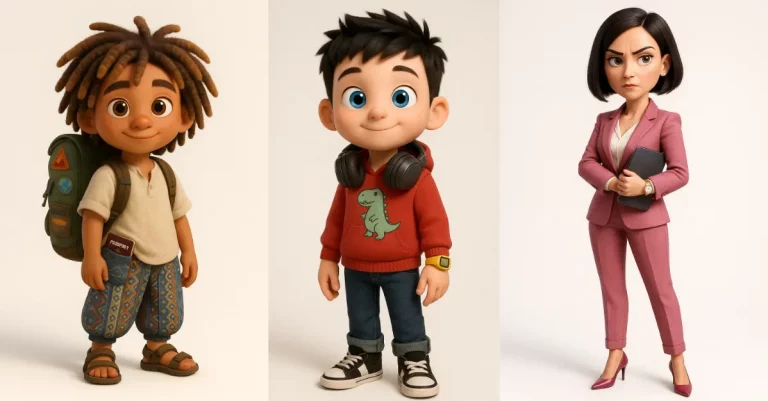
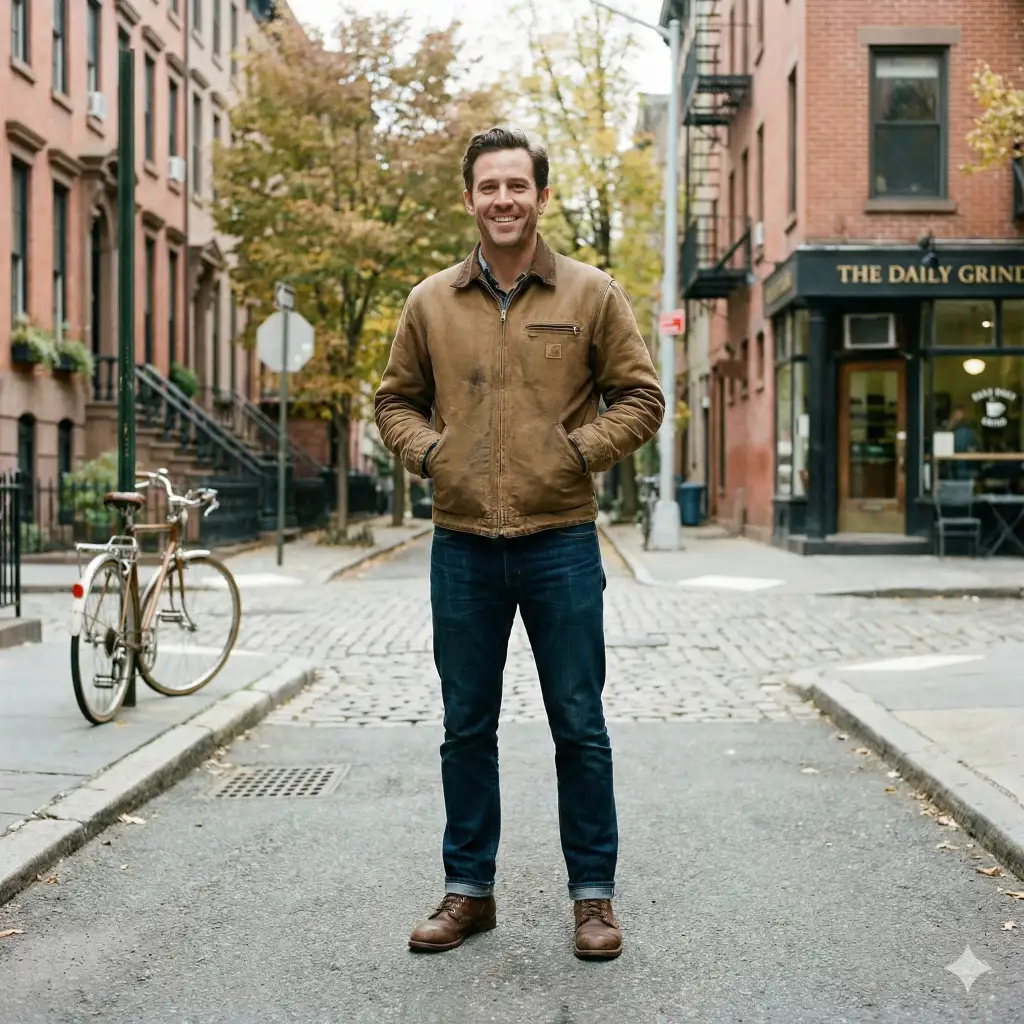
Use this when you want to show someone in their complete context. A full body shot includes everything from head to toe, so you see the person’s clothes, posture, and surroundings. It’s great for portraits where you want to tell a complete story about who someone is.
Create a full body shot of a confident man standing on a quiet urban street, wearing a casual jacket and jeans, natural posture, soft daylight, realistic proportions, sharp focus, detailed environment visible from head to toe. Use aspect ratio 1:1.
Close Up Shot
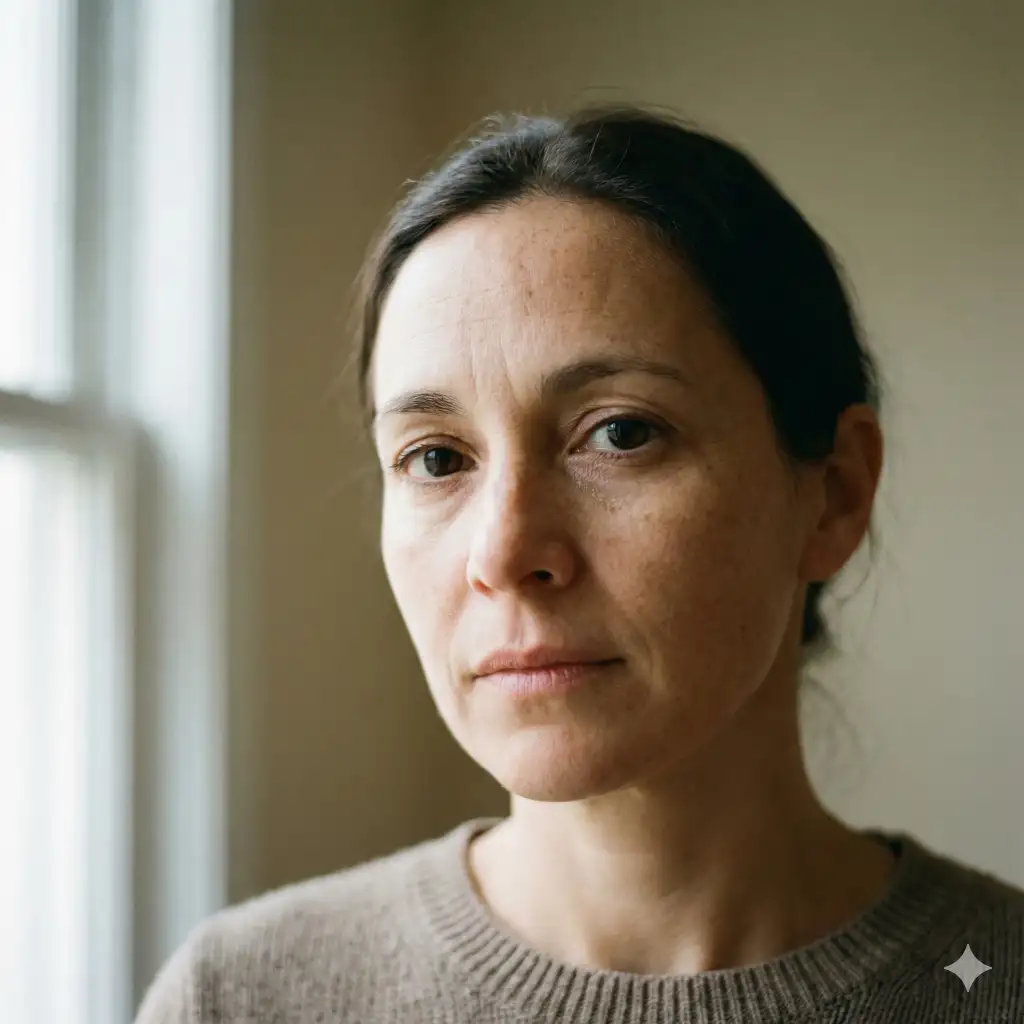
Close ups focus on detail. Use this when you want to show emotion on someone’s face or when you want intimacy in a portrait. It pulls the viewer in and makes them feel connected to the person in the photo.
Create a close up shot of a woman’s face with natural skin texture, soft window light, expressive eyes in sharp focus, shallow depth of field, calm neutral background, realistic portrait style. Use aspect ratio 1:1.
Extreme Close Up Shot
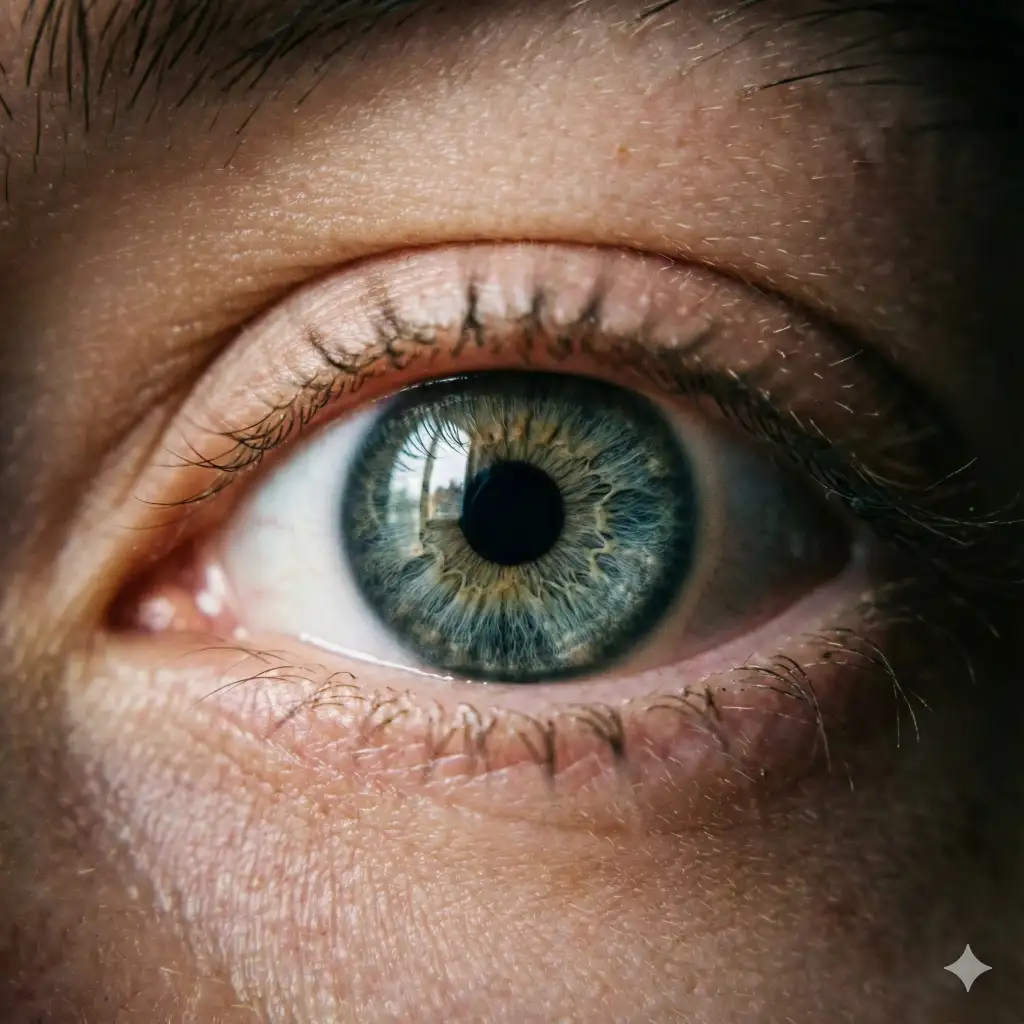
Extreme close ups go even further. Use this when you want to show texture, fine details, or something that needs real intensity. It puts the viewer right inside the moment.
Create an extreme close up shot of human eyes, capturing fine details like eyelashes, skin pores, light reflections in the iris, ultra sharp focus, cinematic lighting, minimal background. Use aspect ratio 1:1.
Extreme Long Shot
This shot is about making someone look small in a big world. Use it when you want to show isolation, scale, or the relationship between a person and their environment. It can feel lonely or peaceful depending on what’s around them.
Create an extreme long shot of a lone person walking across a vast desert landscape, tiny subject compared to surroundings, dramatic sky, strong sense of scale and distance, cinematic composition. Use aspect ratio 1:1.

High Angle Shot
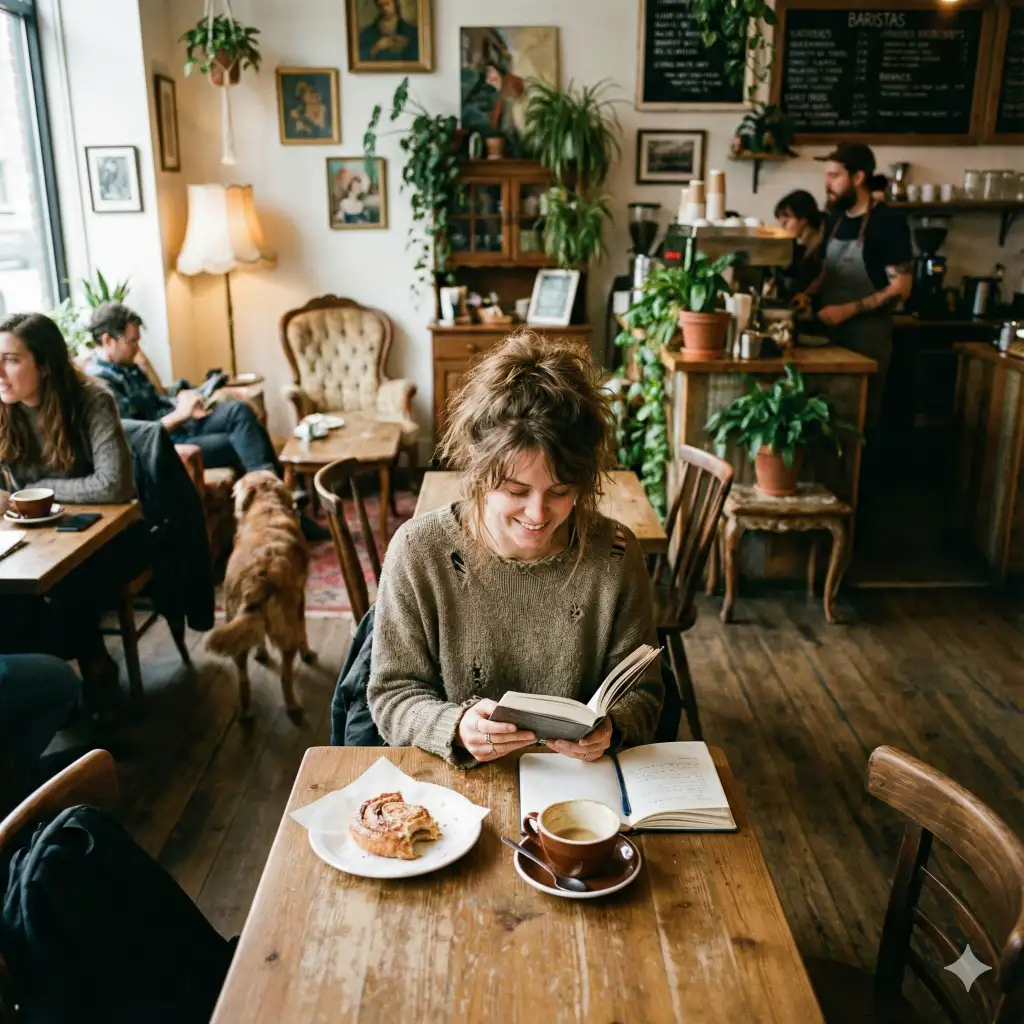
A high angle means the camera is looking down at the subject. Use this when you want to make someone look smaller, younger, or vulnerable. It can also just feel friendly and approachable.
Create a high angle shot of a person sitting at a café table, camera positioned above eye level, looking slightly downward, soft indoor lighting, natural candid feel, realistic environment details. Use aspect ratio 1:1.
Bird’s Eye View Shot
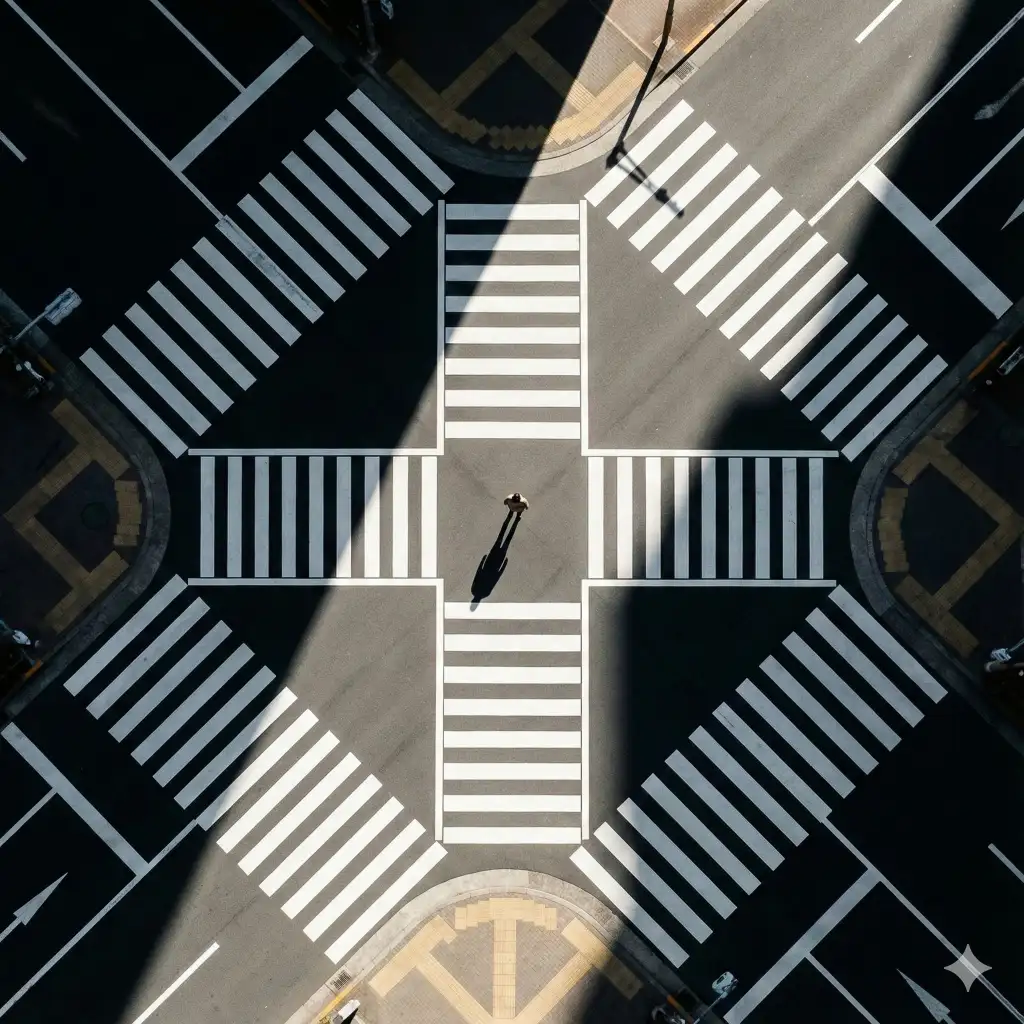
This is an even more extreme high angle, with the camera directly overhead. Use it when you want a graphic, structured look. It’s good for showing patterns, geometry, and creating an almost map-like perspective.
Create a bird’s eye view shot of a person standing at a street crossing, camera directly overhead, strong geometric patterns from roads and shadows, minimal color palette, clean composition. Use aspect ratio 1:1.
Dutch Angle Shot
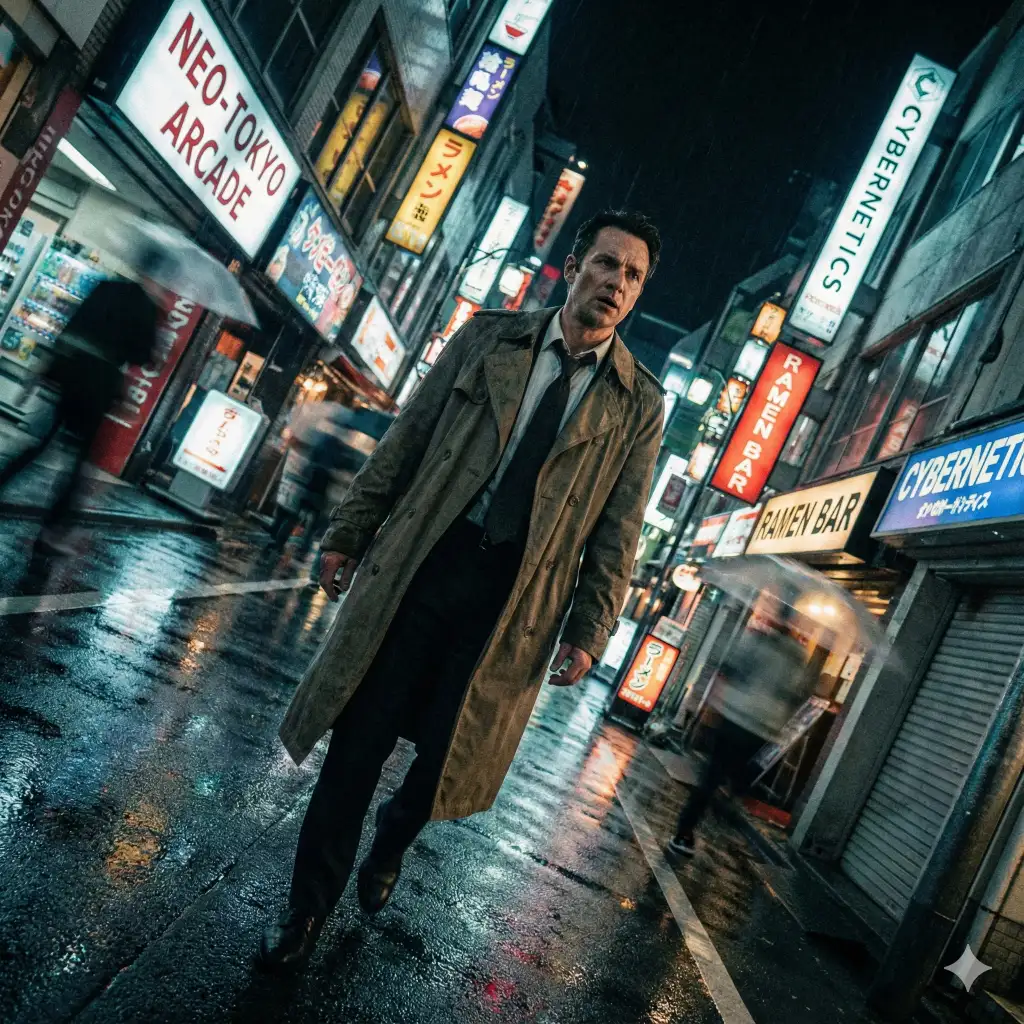
A dutch angle tilts the camera, creating tension and instability. Use this when you want drama, when something feels off, or when you want energy and movement. It’s not neutral, so use it on purpose.
Create a dutch angle shot of a man walking through a neon-lit city street at night, tilted camera for dramatic tension, cinematic lighting, motion blur in background, bold atmosphere. Use aspect ratio 1:1.
Side Profile Shot
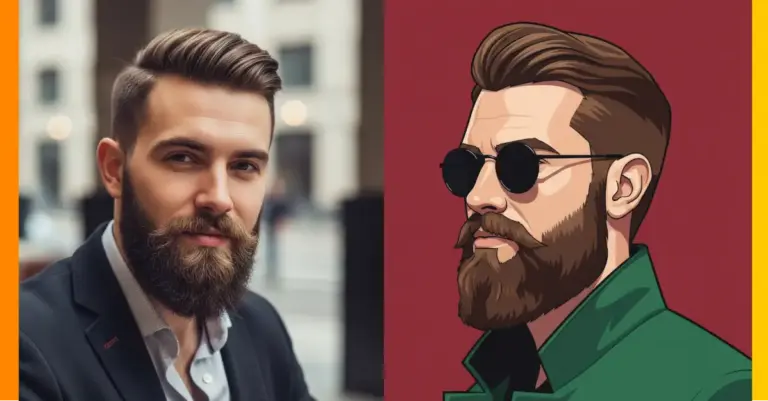
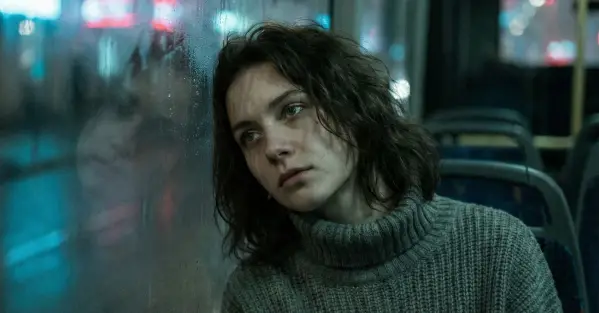
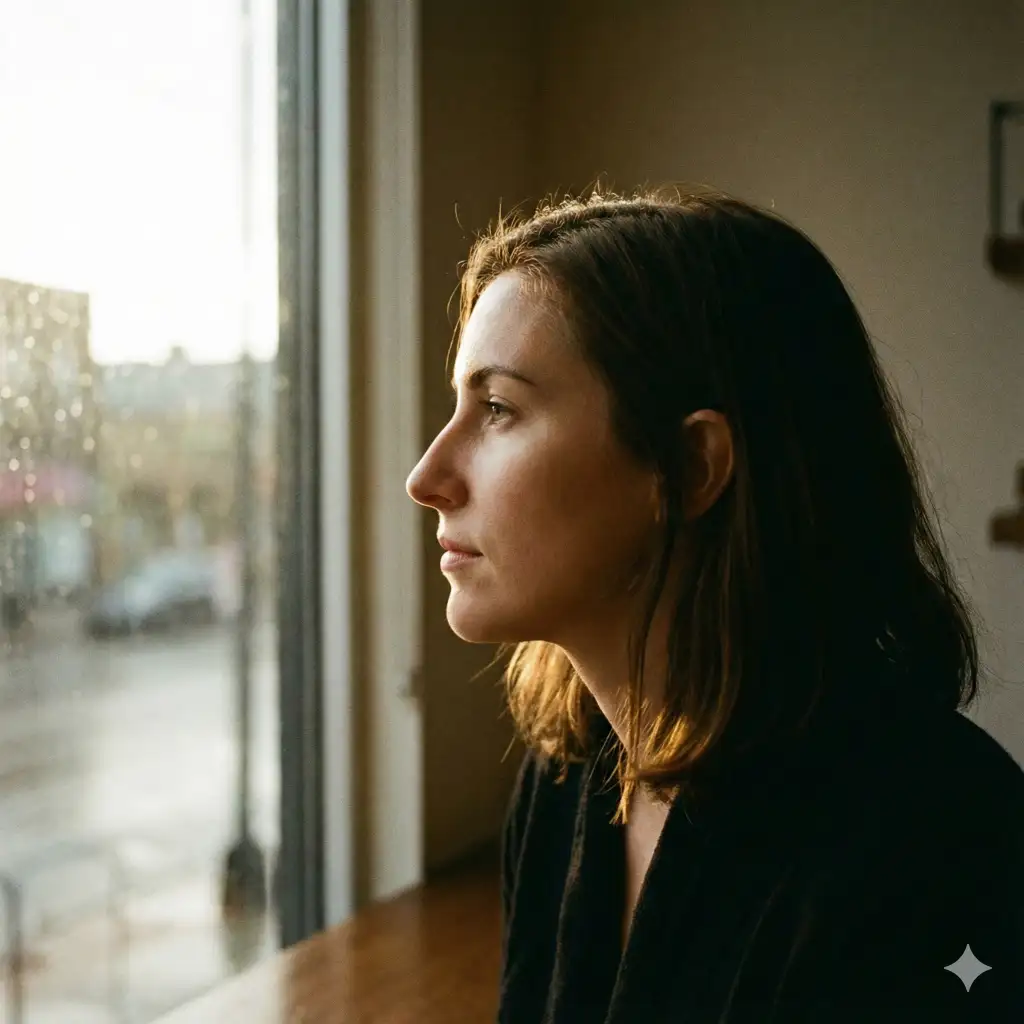
A profile shows someone from the side. Use this when you want to highlight the shape of someone’s face or when you want a thoughtful, introspective mood. It’s intimate without being face-to-face.
Create a side profile shot of a woman looking out of a window, natural light outlining her face, sharp profile details, soft background blur, calm and thoughtful mood. Use aspect ratio 1:1.
Low Angle Shot
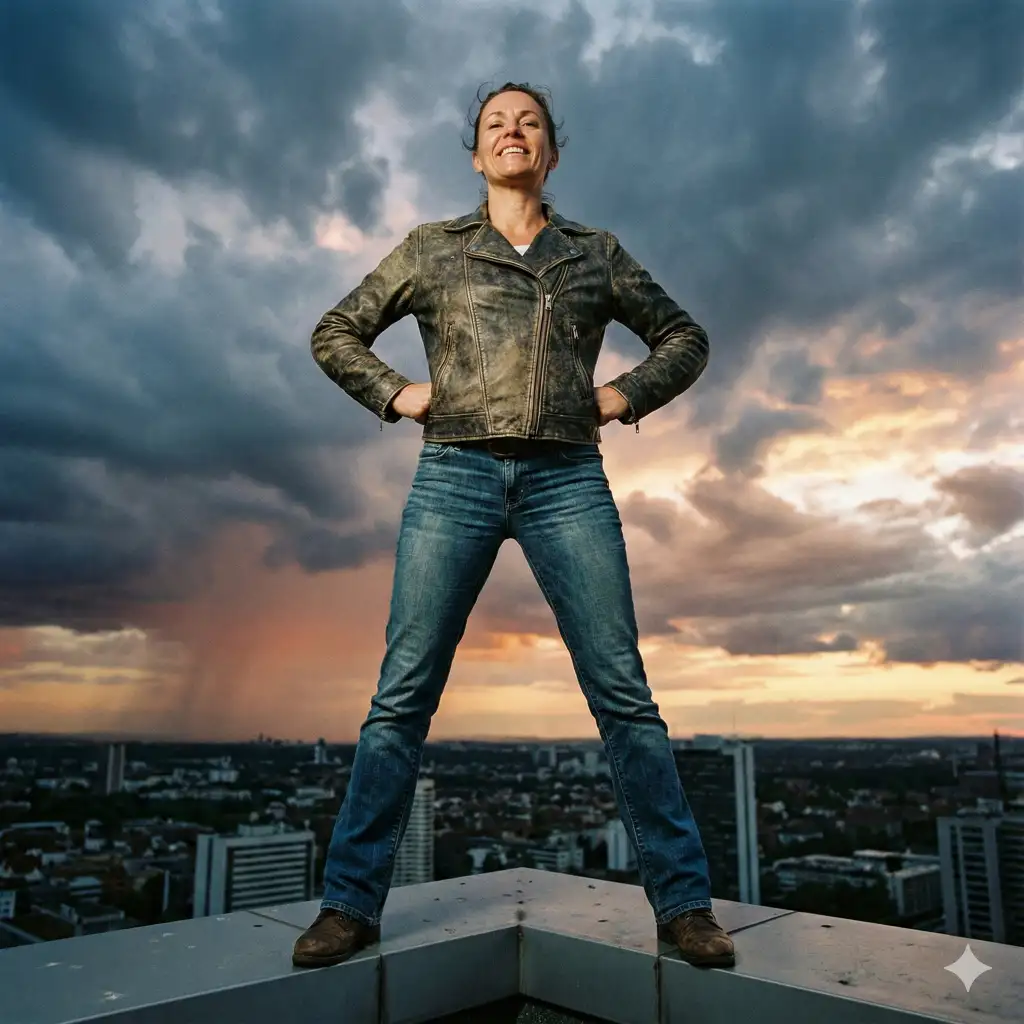
A low angle points the camera up at someone. Use it when you want to make someone look strong, powerful, or impressive. It commands respect and shows confidence.
Create a low angle shot of a person standing confidently on a rooftop, camera positioned below eye level, dramatic sky in the background, powerful posture, strong sense of dominance. Use aspect ratio 1:1.
Over the Shoulder Shot
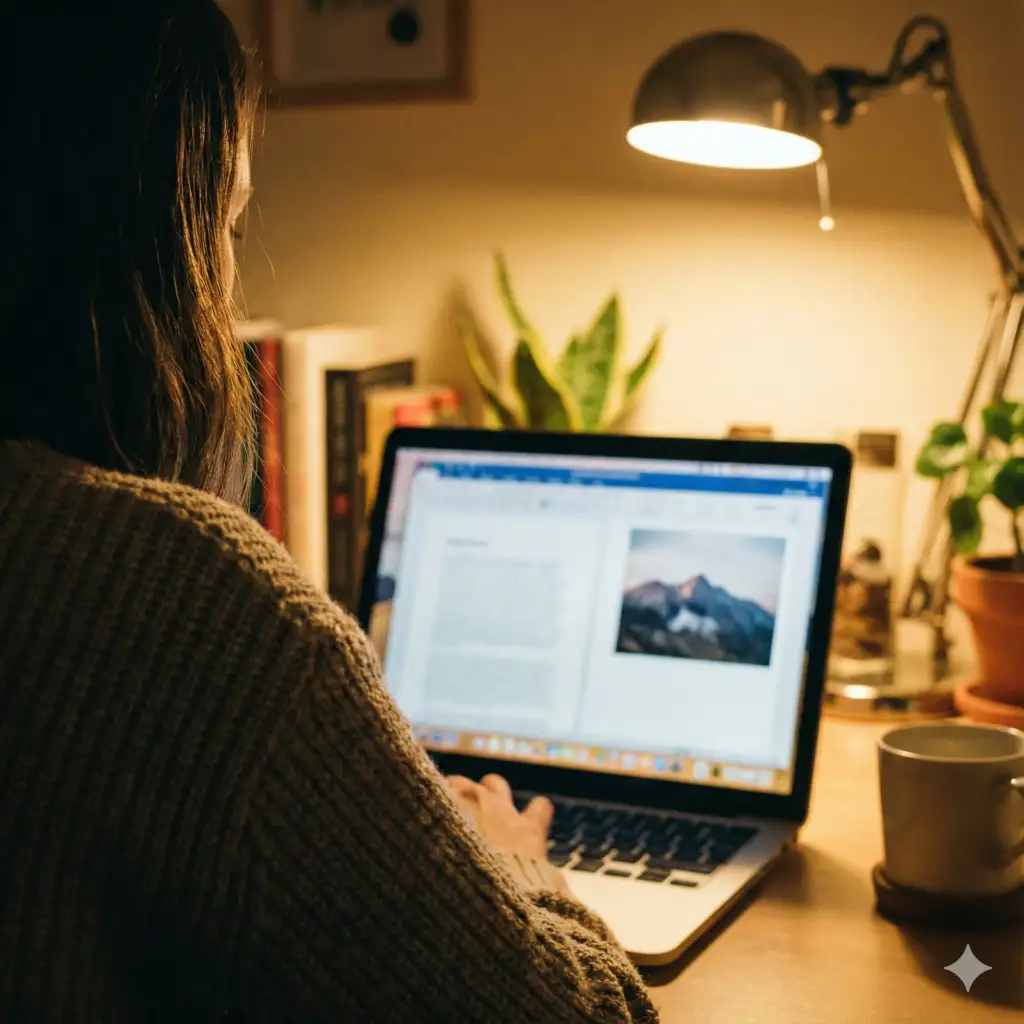
This angle shows someone from behind, with their shoulder in the frame. Use it when you want to make the viewer feel like they’re standing next to the person, looking at what they’re looking at. It creates involvement.
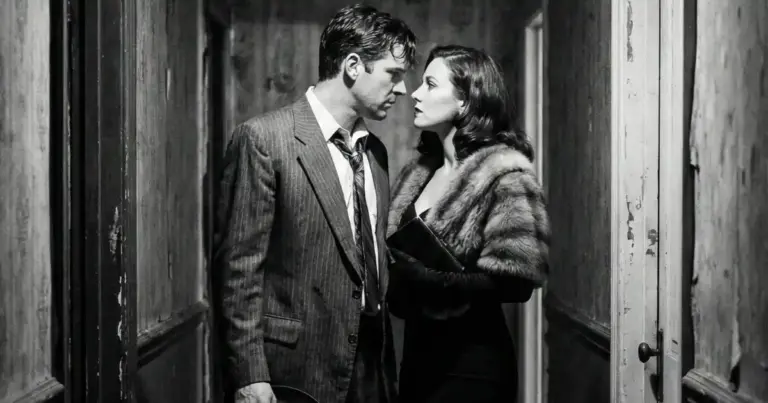
Create an over the shoulder shot of a person looking at a laptop screen, shoulder and back partially visible in the foreground, screen softly in focus, warm indoor lighting, realistic perspective. Use aspect ratio 1:1.
Off Center Shot
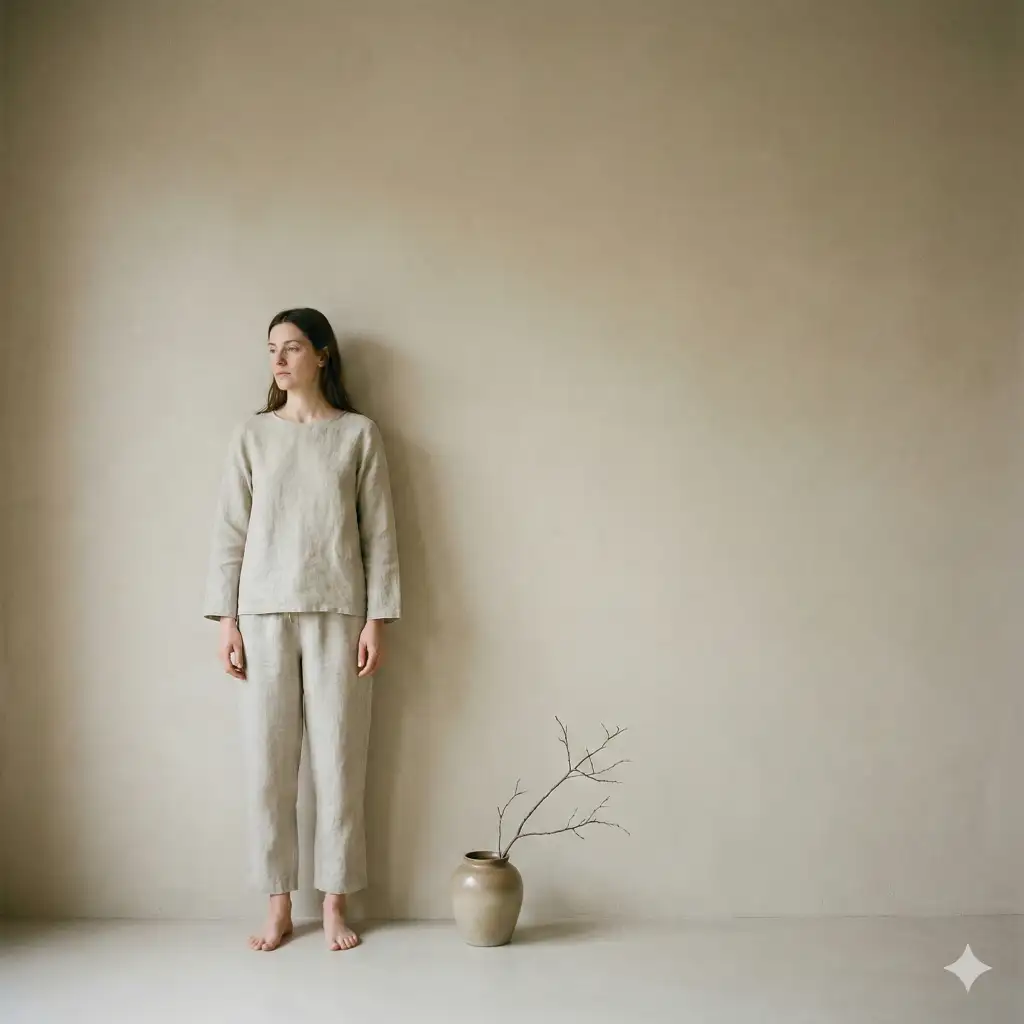
Off center framing puts your subject to the side instead of in the middle. Use this when you want a calm, balanced feel. It’s less formal than centered shots and feels more natural.
Create an off center shot of a person standing slightly to the left of the frame, negative space on one side, minimalist background, balanced composition, calm visual tone. Use aspect ratio 1:1.
Shot From Behind
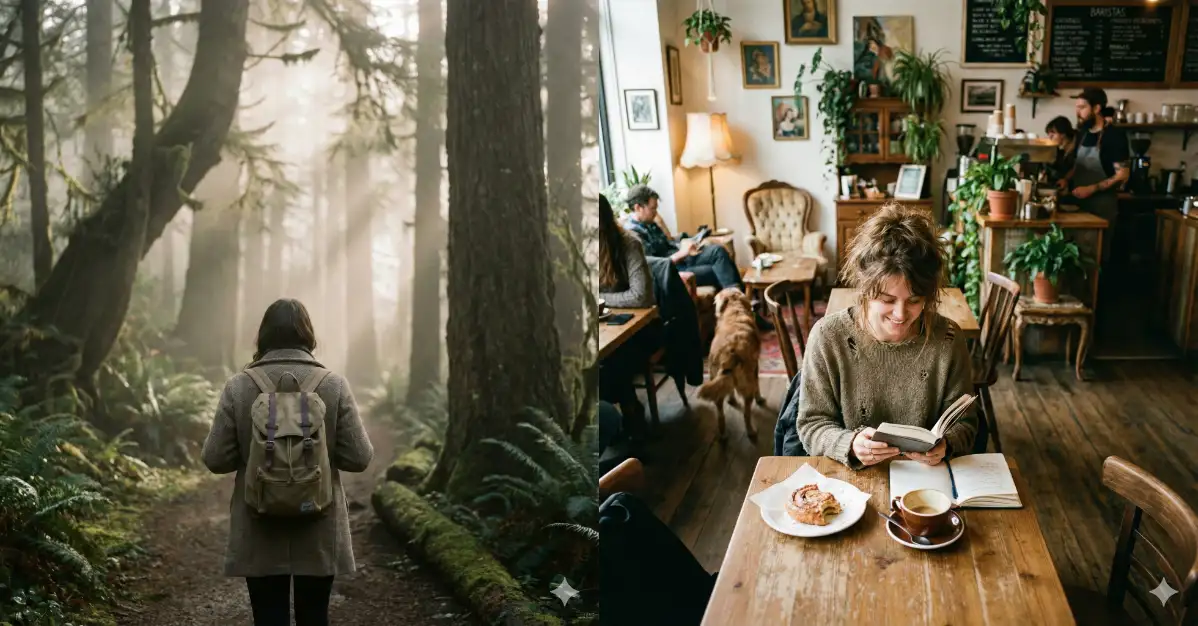
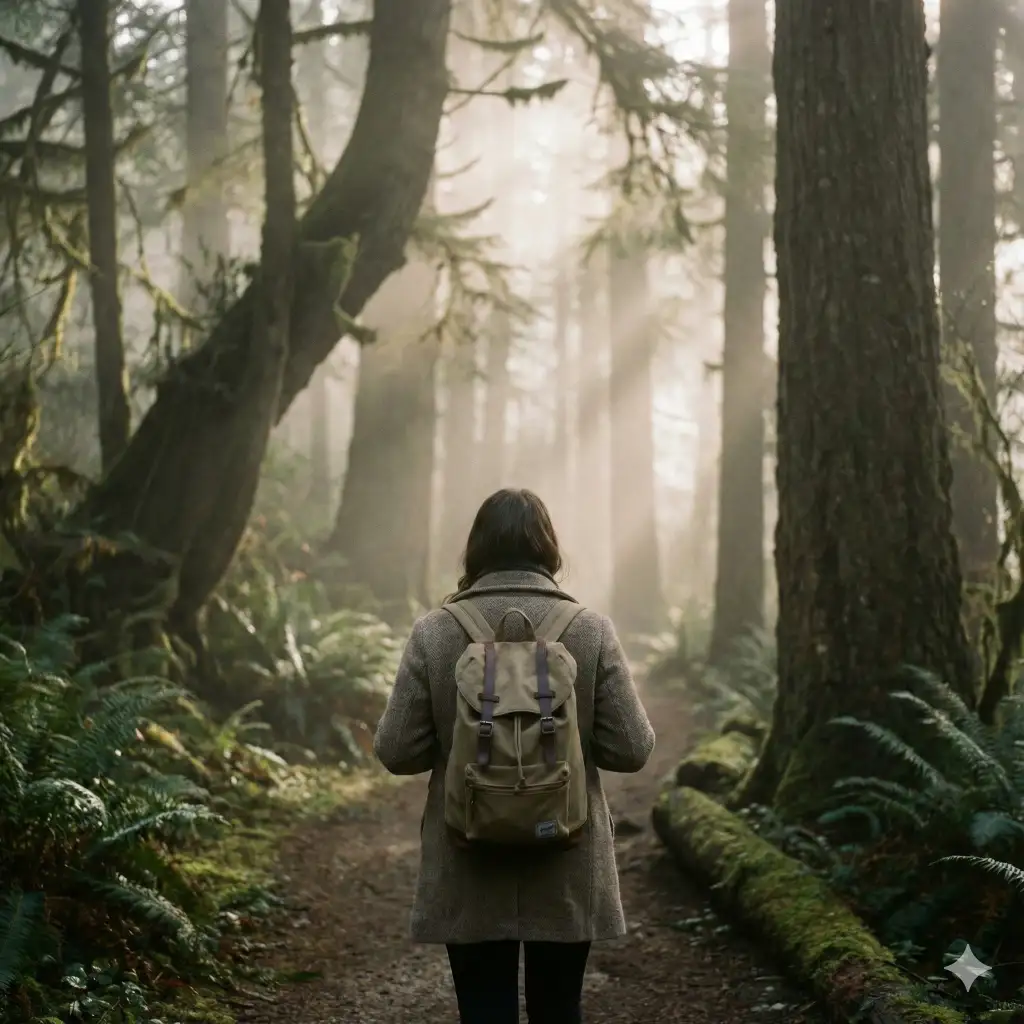
This angle shows someone from the back as they move away. Use it when you want to create a sense of journey or movement. It invites the viewer to wonder where the person is going.
Create a shot from behind of a person walking down a foggy forest path, back facing the camera, soft light filtering through trees, cinematic depth, peaceful atmosphere. Use aspect ratio 1:1.
Point of View Shot
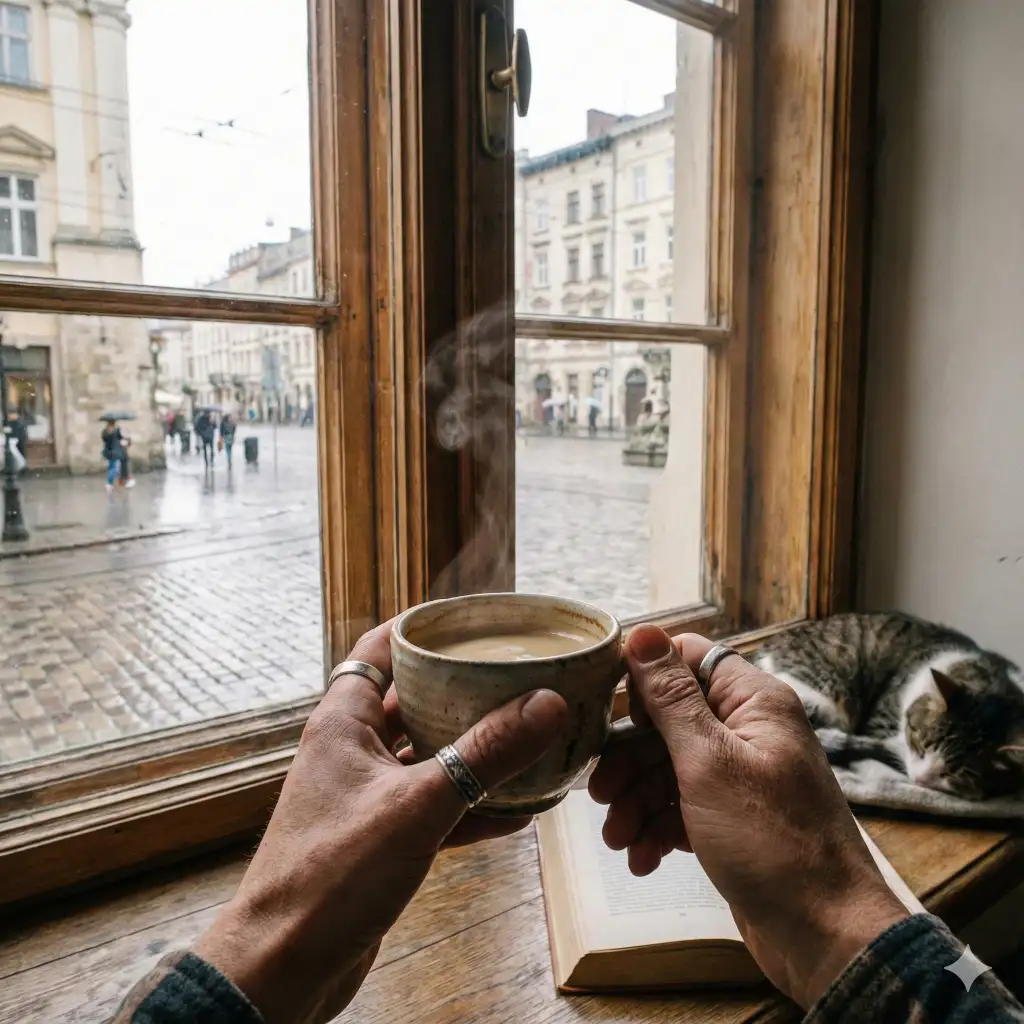
A point of view shot shows what the person in the photo sees. Your hands or body part might be in the frame. Use this when you want to put the viewer in someone’s place, to make it feel like their experience.
Create a point of view shot of someone holding a coffee cup while sitting by a window, hands visible in the foreground, city view outside, natural morning light, immersive perspective. Use aspect ratio 1:1.
The truth is, good photography is about intention. Every angle choice is a decision. Do you want to show power or vulnerability? Closeness or distance? Action or stillness?
Gemini Nano Banana Pro takes the guesswork out of asking an AI for what you want. It understands camera language. You get realistic photos that actually look like what you described. That matters when you’re trying to create specific moods or test out shots before you shoot them yourself.
Start with these 13 prompts. Try them out. See how different angles change the feeling of the same subject. Once you understand what each shot does, you can adapt these prompts to your own ideas. Mix and match. Add your own details.
The best camera angle is always the one that serves your story.