12 ChatGPT Prompts for Camera Angles That Make Your Photos Look Cinematic

Get our stories first in Google Search
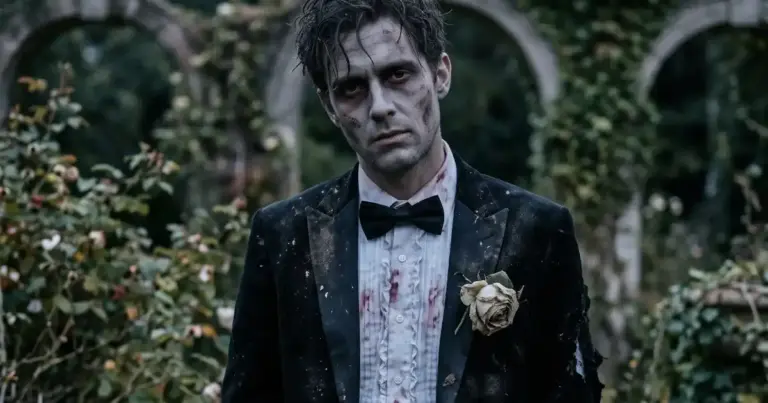
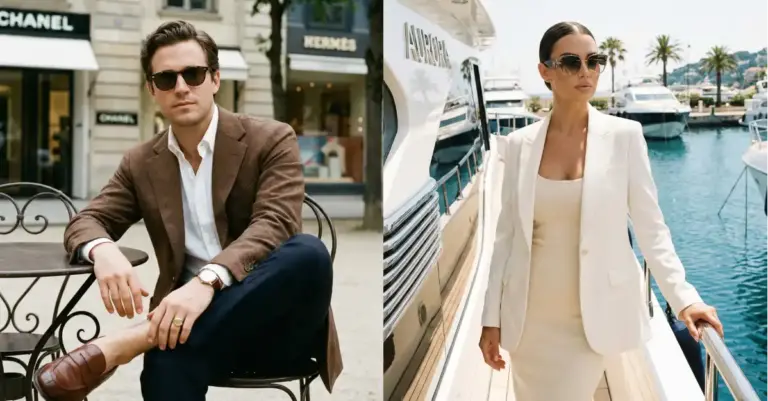
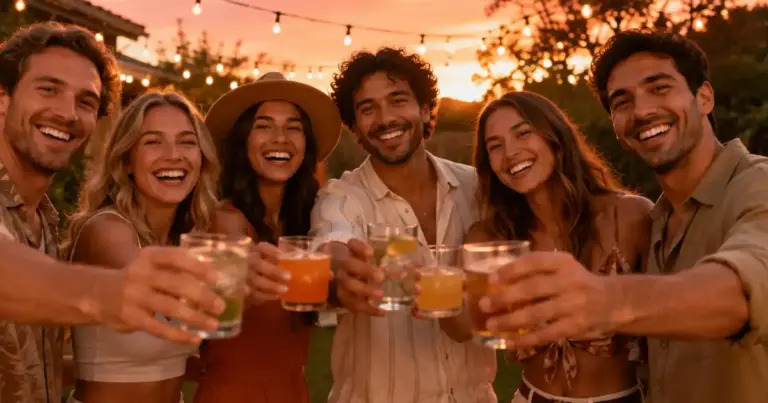
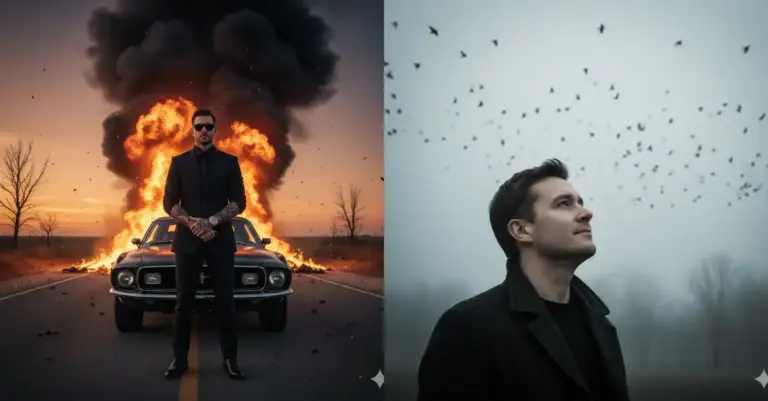
Camera angle is one of those small details that completely changes the feel of a photo. The same outfit, the same person, the same background can look ordinary from one angle and editorial from another. Once you get the hang of writing camera angles into your ChatGPT image prompts, your results start looking like real photography instead of generic AI shots.
I put together this list of 12 prompts, each built around a specific camera angle. You can copy them straight into ChatGPT (use Images 2.0 for the best results) or tweak the subject and outfit to make them your own.
To use these, open chatgpt.com or the ChatGPT app, start a new chat, and paste any prompt below. If you want the image to look like a specific person, upload a reference photo first.
Low Angle Power Shot
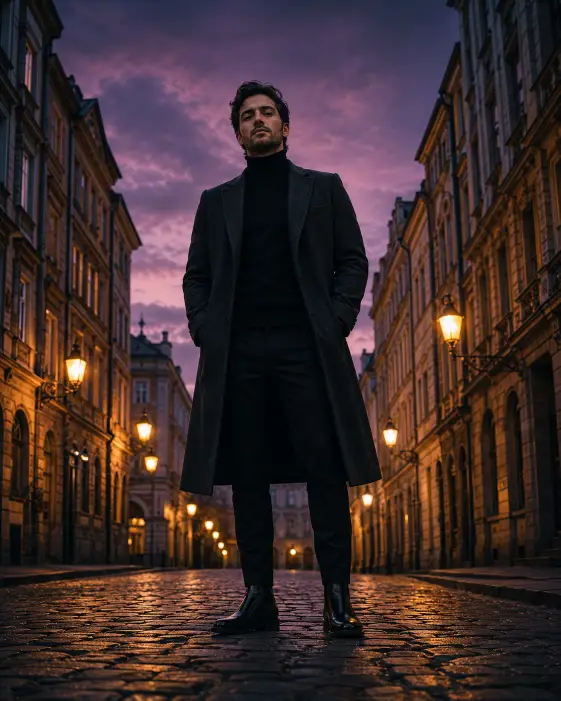
Low angle shots make the subject look strong and confident. The camera sits below the subject and tilts up, which adds height and presence.
Create a portrait of a man in his early 30s standing in the middle of an empty street at dusk, feet shoulder-width apart with hands tucked into his pockets. He’s wearing a long charcoal wool coat over a black turtleneck, slim black trousers, and polished leather boots. His expression is calm and confident, chin slightly lifted. Shoot from a low angle looking up at him, with the camera positioned near the ground. The background shows a row of old European-style buildings with warm tungsten street lamps and a soft purple sky overhead. Cinematic color grading with deep blues and warm amber highlights. Use aspect ratio 4:5.
Overhead Flat Lay
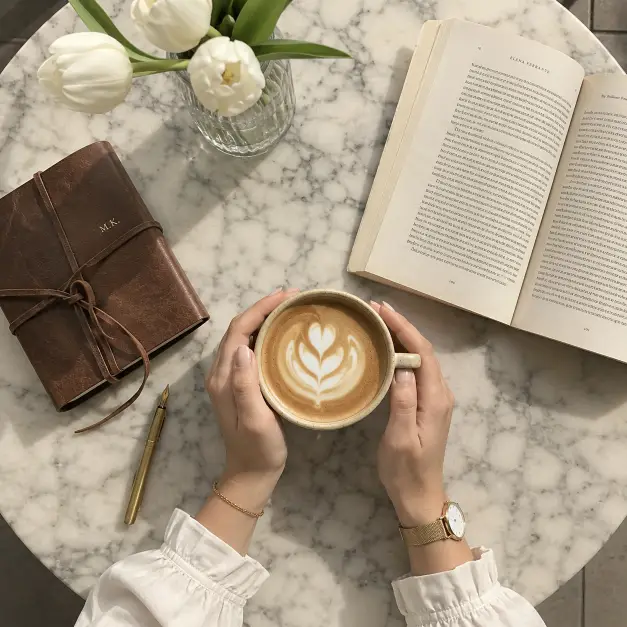
Overhead shots give you that clean, organized look you see all over Pinterest and Instagram. Perfect for lifestyle content, food, or beauty flat lays.
Create a flat lay photo shot from directly above a marble café table. A young woman’s hands are visible holding a ceramic latte cup with foam art, her wrist showing a slim gold watch and a thin chain bracelet. Around the cup are a leather-bound journal, a brass fountain pen, a small vase with white tulips, and an open paperback novel. The table is soft cream marble with subtle gray veining. Lighting is soft natural daylight from a window, casting gentle shadows. The mood is calm, slow morning, journaling aesthetic. Use aspect ratio 1:1.
Eye-Level Editorial
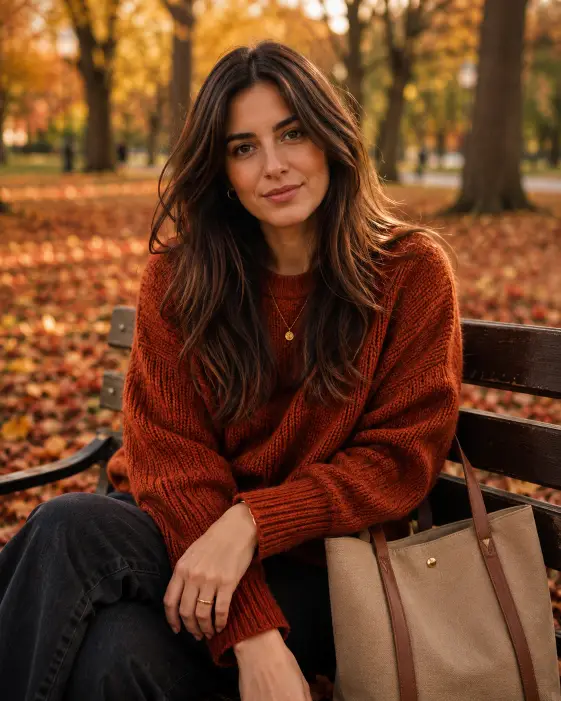
Eye-level shots feel honest and direct. They’re the most natural perspective, which is why they work so well for portraits.
Create an editorial portrait of a woman in her late 20s sitting on a wooden park bench in autumn. She’s wearing a rust-colored knit sweater, dark wide-leg jeans, and brown leather loafers, with a beige tote bag resting beside her. Her hair is in a loose middle part falling past her shoulders, and she’s looking directly into the camera with a soft, neutral expression. Shoot at eye level, framing her from the waist up. The background is filled with golden and red fallen leaves, slightly blurred trees, and warm afternoon light filtering through branches. Warm color palette with rich oranges and browns. Use aspect ratio 4:5.
Dutch Tilt Cinematic
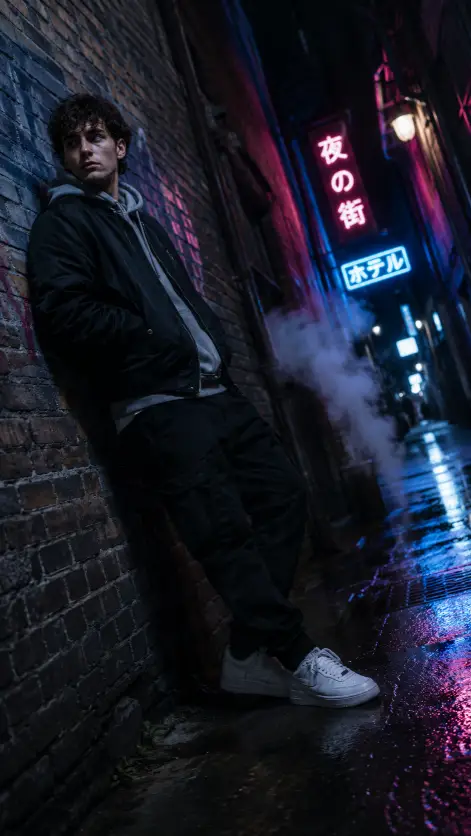
A Dutch tilt is when the camera is tilted at an angle so the horizon isn’t straight. It adds a sense of motion or tension, which is great for moody or cinematic shots.
Create a moody street portrait of a young man leaning against a brick wall in a narrow alley at night. He’s wearing a black bomber jacket over a gray hoodie, dark cargo pants, and white sneakers, with his hands shoved into his jacket pockets. He’s looking off to the side with a serious, distant expression. Shoot with a Dutch tilt, the camera angled about 20 degrees so the wall and ground lean diagonally in the frame. The background has wet pavement reflecting neon signs in pink and blue, and steam rising from a vent nearby. Cool tones with neon highlights and deep shadows. Use aspect ratio 9:16.
Worm’s Eye View
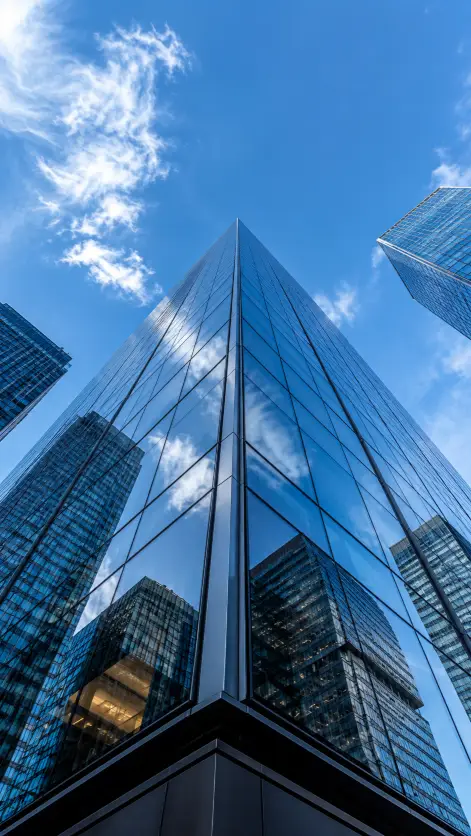
The worm’s eye is an extreme version of the low angle, shot from ground level looking straight up. It works beautifully for architecture and dramatic outdoor shots.
Create a worm’s eye view photo looking straight up at a tall glass skyscraper in a downtown business district. The camera is positioned at the very base of the building pointing skyward, so the building’s edges converge dramatically toward the center of the frame. Reflections of clouds and other buildings shimmer across the glass facade. A clear blue sky with a few wispy white clouds fills the top of the frame. Sharp, crisp architectural photography style with high contrast and rich blues. Use aspect ratio 9:16.
Bird’s Eye Aerial
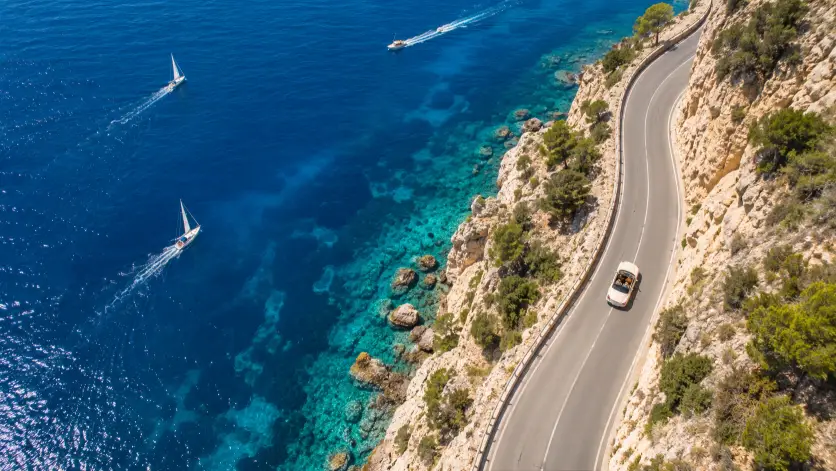
Bird’s eye is the opposite, shot from way above looking straight down. It gives a top-down map view that feels modern and clean.
Create a bird’s eye aerial photo of a winding coastal road cutting through cliffs along the Mediterranean coast. A single vintage cream-colored convertible is driving along the road, with crystal turquoise water on one side and rocky beige cliffs on the other. Small sailboats dot the water in the distance, leaving thin white wakes behind them. Shoot from directly above at a high altitude as if from a drone. The lighting is bright midday sun with rich saturated blues and warm sandy tones. Use aspect ratio 16:9.
Over the Shoulder
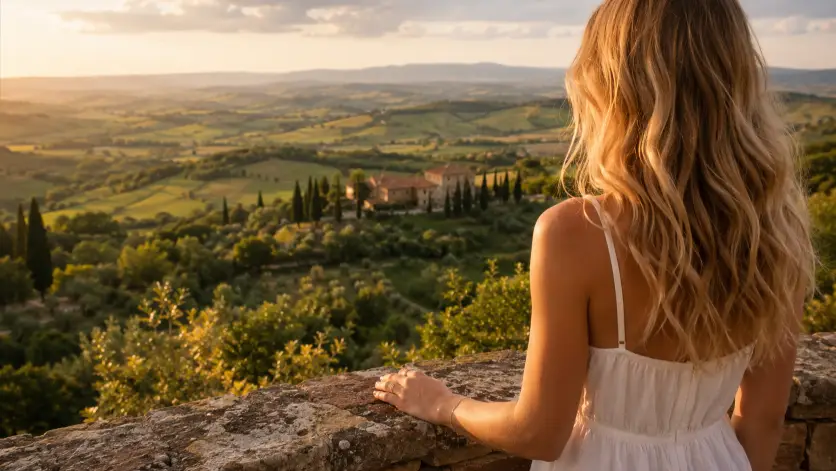
Over-the-shoulder shots put the viewer right behind the subject, looking at what they see. They’re great for storytelling and travel photos.
Create an over-the-shoulder photo of a woman standing at a stone overlook in the Tuscan countryside. The camera is positioned just behind her right shoulder, showing the back of her head with loose blonde waves and a small portion of her white linen sundress. Beyond her, rolling green hills dotted with cypress trees and a distant red-roofed farmhouse stretch into the horizon under a soft late afternoon sky. Her hand rests lightly on the stone railing. Warm golden hour lighting, dreamy travel aesthetic, shallow depth of field on the foreground. Use aspect ratio 16:9.
Close-Up Detail Shot
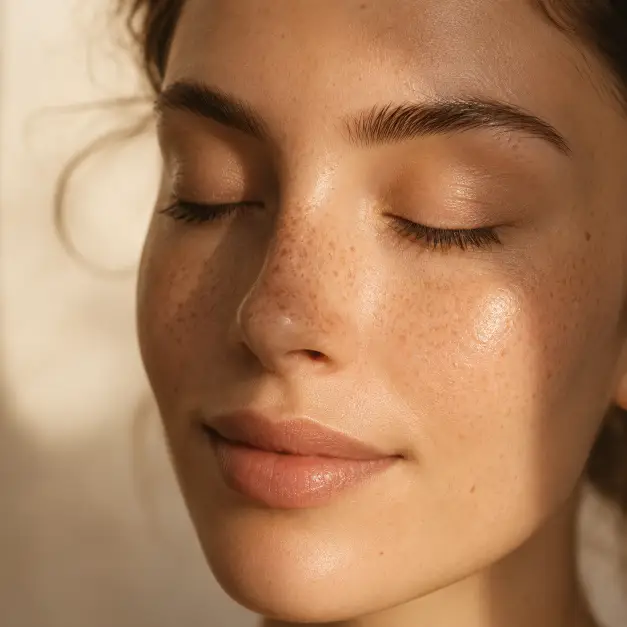
Close-ups draw attention to one small thing, a face, a hand, an object. They feel intimate and intentional.
Create a close-up portrait of a woman’s face from the nose up, her eyes closed and a soft smile playing at her lips. She has freckles scattered across her nose and cheeks, glowing dewy skin, and natural brown eyebrows. Soft natural light hits one side of her face, leaving the other in gentle shadow. The background is completely out of focus, just warm cream and beige tones. The mood is quiet, peaceful, beauty-editorial. Use aspect ratio 1:1.
Wide Establishing Shot
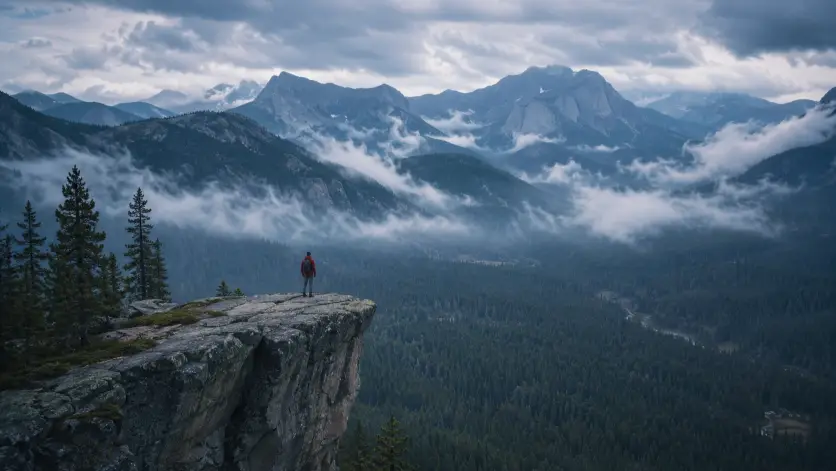
Wide shots show the subject in their full environment. They’re useful when the location is just as important as the person.
Create a wide establishing shot of a lone hiker standing on a massive granite cliff edge overlooking a vast pine forest below. The hiker is small in the frame, wearing a red windbreaker, gray hiking pants, and a backpack, facing away from the camera toward the view. The scene is dominated by towering mountains in the distance, layered in shades of blue and gray, with low-hanging mist drifting between the peaks. Shoot from a distance with the hiker positioned in the lower third of the frame. Cool, moody color palette with cinematic depth. Use aspect ratio 16:9.
Profile Side Angle
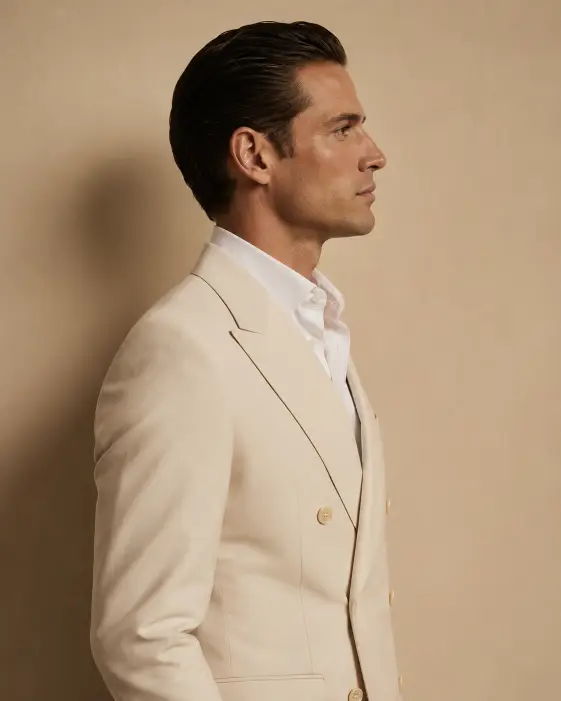
Profile shots capture the side view of a subject. They’re flattering, classic, and often used in fashion editorials.
Create a profile portrait of a man in his mid-30s standing against a plain warm beige wall, photographed from his right side. He’s wearing a perfectly tailored cream double-breasted suit with a crisp white shirt underneath and no tie. His hair is neatly slicked back and he has a sharp clean-shaven jawline. He’s looking straight ahead, not at the camera, with a calm and composed expression. Soft studio lighting from the front creates gentle shadows behind him. Minimal, high-end fashion editorial style with warm neutral tones. Use aspect ratio 4:5.
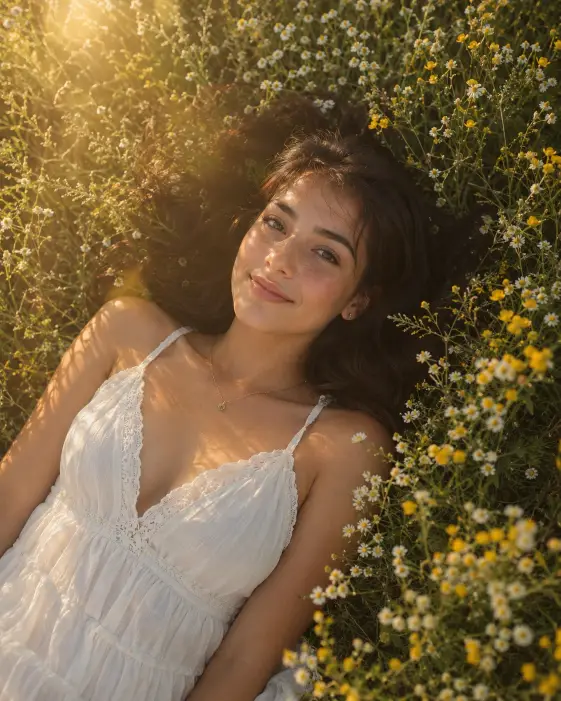
High Angle Soft Shot
A high angle is when the camera looks down at the subject from above. It can make the subject look smaller, softer, or more vulnerable, depending on how it’s used.
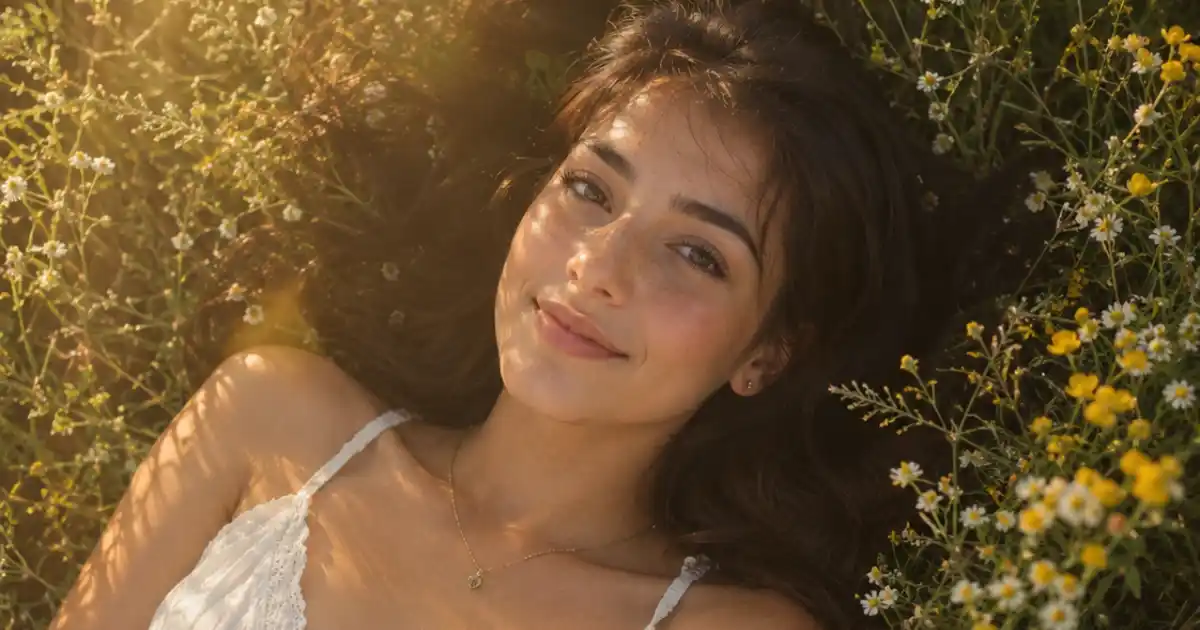
Create a high angle portrait of a young woman lying on her back in a field of wildflowers, looking up at the camera with a relaxed half-smile. She’s wearing a flowy white cotton dress with thin straps, and her dark hair is fanned out around her head on the grass. Tiny white and yellow flowers surround her face. Shoot from above at about a 45-degree angle, so you can see her full face and shoulders. Soft golden late-afternoon sunlight bathes the scene with a slight haze and lens flare. Romantic, dreamy, summer aesthetic. Use aspect ratio 4:5.
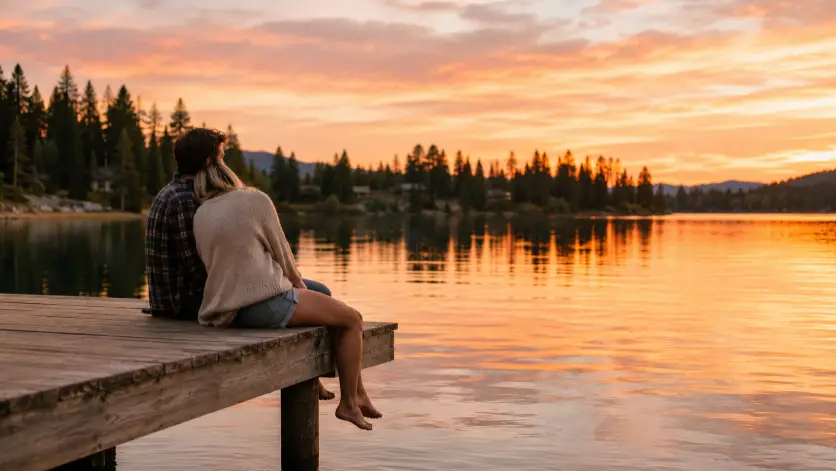
Two-Shot Side Composition
A two-shot frames two subjects together in one composition. It’s perfect for couples, friends, or family photos where the relationship between people matters.
Create a candid two-shot photo of a couple sitting on a wooden dock by a calm lake at sunset, captured from the side. The man is in a navy flannel shirt and jeans, the woman is wearing a beige oversized cardigan over a white tee and denim shorts. They are sitting close, the woman leaning her head against his shoulder while they both look out at the water. Their legs dangle over the edge of the dock. The lake reflects warm orange and pink sky tones, and distant pine trees frame the background. Shoot at eye level from a distance to capture both of them and the wide landscape. Warm, nostalgic, golden hour mood. Use aspect ratio 16:9.
The more specific you are about the camera angle, the more control you get over the final image. Words like “shot from below,” “directly overhead,” “at eye level,” or “from behind the subject” all tell ChatGPT exactly where to place the virtual camera.
If a prompt doesn’t give you the angle you wanted on the first try, just rephrase that one part of the prompt. Sometimes saying “the camera is positioned at ground level” works better than “low angle shot.” Small wording changes make a big difference.
Save a few of these as templates, swap out the subject, outfit, and background, and you’ll have an easy way to keep your image generations fresh.